- Description
- Curriculum
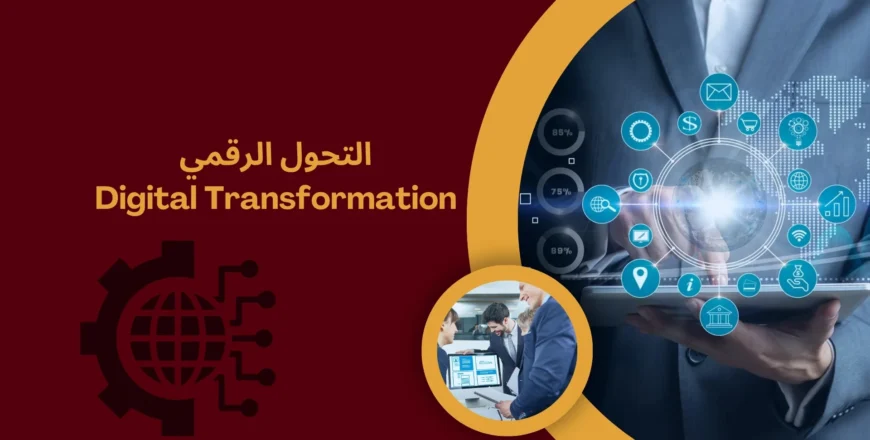
Digital transformation significantly reduces costs and effort while improving and streamlining operational efficiency. It enhances quality, simplifies service procedures for the public, and offers opportunities for innovative and creative services, ultimately increasing customer satisfaction and acceptance of institutional services.
Additionally, digital transformation facilitates connectivity between institutions or between institutions and the private sector, ensuring data quality and providing a reliable and interconnected information source. It also helps decision-makers monitor performance, improve service quality, and define goals and strategies.
Unit One
Unit Two
Unit Three
Unit Four
-
16Social Media MarketingVideo lesson
-
17Social MediaVideo lesson
-
18Social Media ChannelsVideo lesson
-
19Digital Around The WorldVideo lesson
-
20Social Media Important has 2 parts.Video lesson
this lecture has 2 parts.
-
21Content Weekly DistributionVideo lesson
-
22Lecture 7Video lesson
-
23Statistics has 2 parts.Video lesson
this lecture has 2 parts.
-
24PromotionVideo lesson
Unit Five
-
25IntroductionVideo lesson
-
26Inbound MethodologyVideo lesson
-
277p.s Marketing MixVideo lesson
-
28DefinitionsVideo lesson
-
29Types Of Ecommerce ModelsVideo lesson
-
30E-Commerce InsightsVideo lesson
-
31E-Commerce TrafficVideo lesson
-
32Traffic By SourceVideo lesson
-
33How To Start An E-CommerceVideo lesson
-
34Top Features For E-CommerceVideo lesson
-
35ExamplesVideo lesson
-
36Amazon GrowthVideo lesson
Course details
Lectures
36
Level
Intermediate